

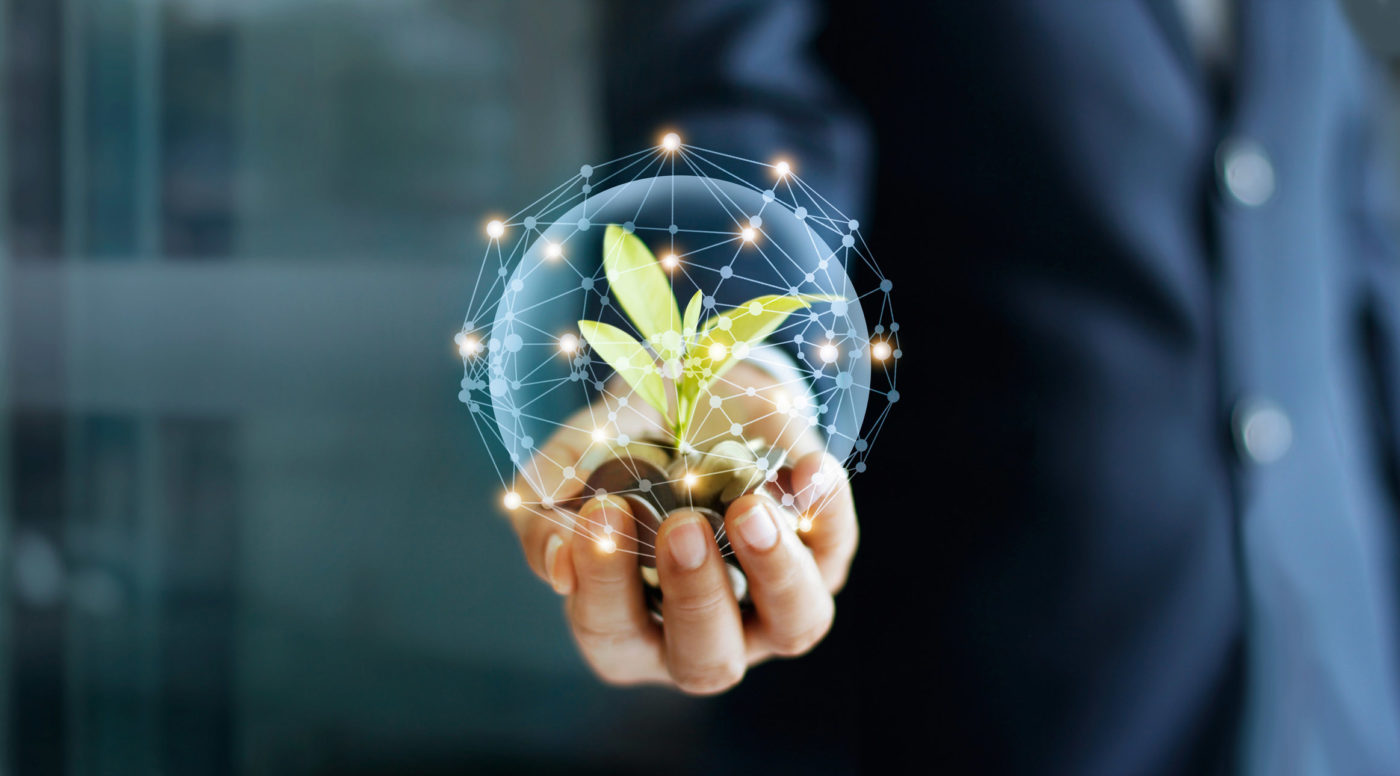
The circular economy represents an alternative, more sustainable model to the traditional linear economy. A linear model follows the path of make, use, then dispose. In contrast, in a circular economy, we keep resources in use for as long as possible, extract the maximum value from them whilst in use, then recover and regenerate products […]
12
Jun
Jun
The circular economy represents an alternative, more sustainable model to the traditional linear economy. A linear model follows the path of make, use, then dispose. In contrast, in a circular economy, we keep resources in use for as long as possible, extract the maximum value from them whilst in use, then recover and regenerate products […]
The circular economy represents an alternative, more sustainable model to the traditional linear economy. A linear model follows the path of make, use, then dispose. In contrast, in a circular economy, we keep resources in use for as long as possible, extract the maximum value from them whilst in use, then recover and regenerate products […]
The circular economy represents an alternative, more sustainable model to the traditional linear economy. A linear model follows the path of make, use, then dispose. In contrast, in a circular economy, we keep resources in use for as long as possible, extract the maximum value from them whilst in use, then recover and regenerate products […]
The circular economy represents an alternative, more sustainable model to the traditional linear economy. A linear model follows the path of make, use, then dispose. In contrast, in a circular economy, we keep resources in use for as long as possible, extract the maximum value from them whilst in use, then recover and regenerate products […]
The circular economy represents an alternative, more sustainable model to the traditional linear economy. A linear model follows the path of make, use, then dispose. In contrast, in a circular economy, we keep resources in use for as long as possible, extract the maximum value from them whilst in use, then recover and regenerate products […]
12
Jun
Jun
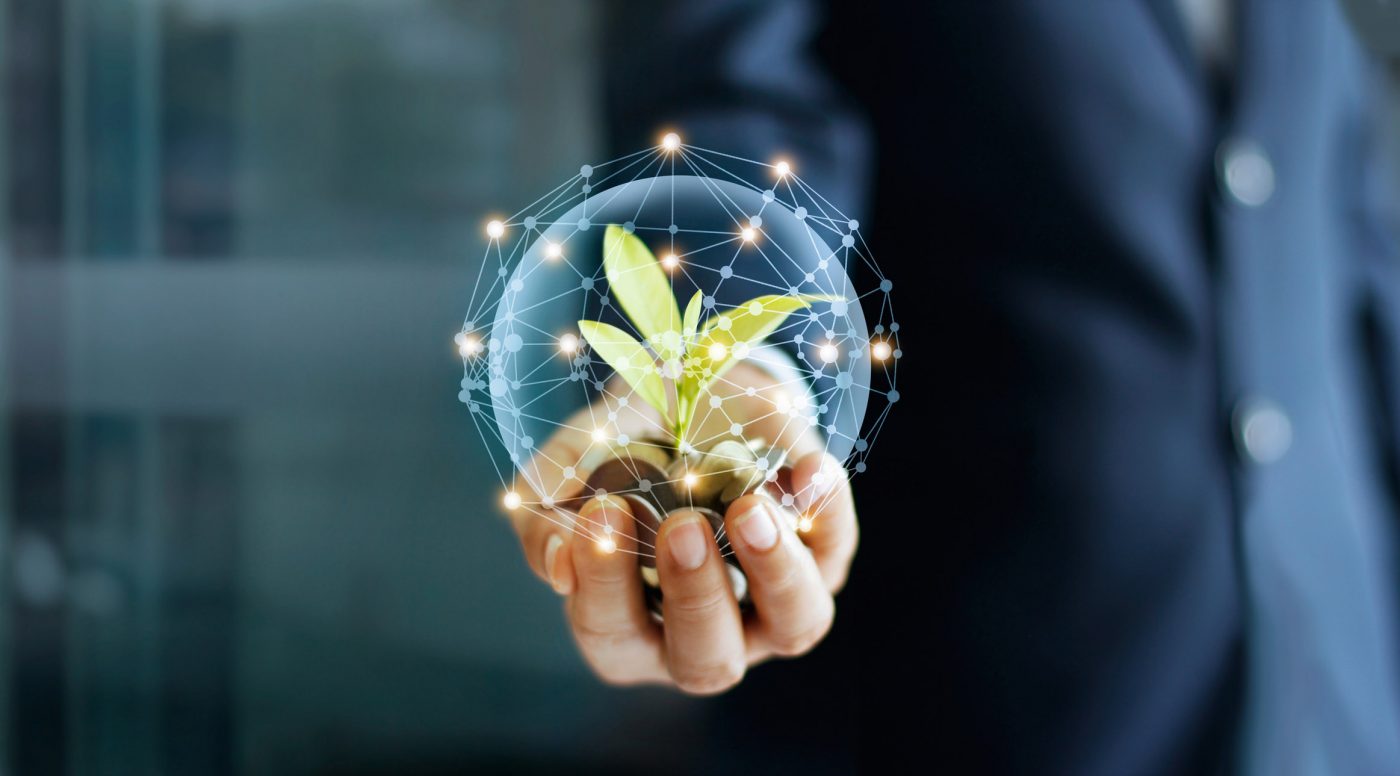
The circular economy represents an alternative, more sustainable model to the traditional linear economy. A linear model follows the path of make, use, then dispose. In contrast, in a circular economy, we keep resources in use for as long as possible, extract the maximum value from them whilst in use, then recover and regenerate products […]
The circular economy represents an alternative, more sustainable model to the traditional linear economy. A linear model follows the path of make, use, then dispose. In contrast, in a circular economy, we keep resources in use for as long as possible, extract the maximum value from them whilst in use, then recover and regenerate products […]
The circular economy represents an alternative, more sustainable model to the traditional linear economy. A linear model follows the path of make, use, then dispose. In contrast, in a circular economy, we keep resources in use for as long as possible, extract the maximum value from them whilst in use, then recover and regenerate products […]